Written and reviewed by our medical team.
Beard areas are dense and coarse, so sessions and intervals differ. How laser hair removal works, how often it is needed, and what to avoid before and after.
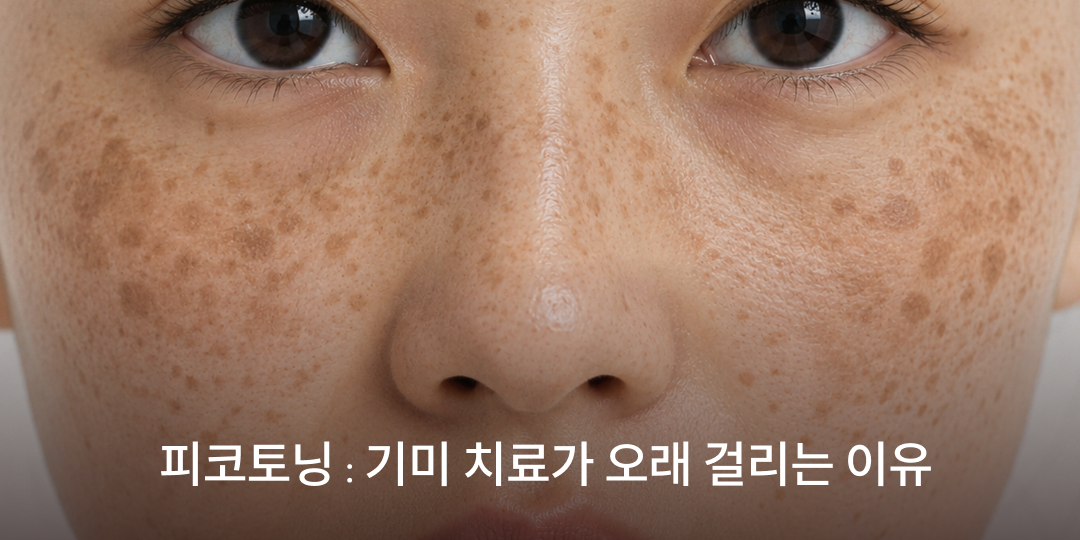
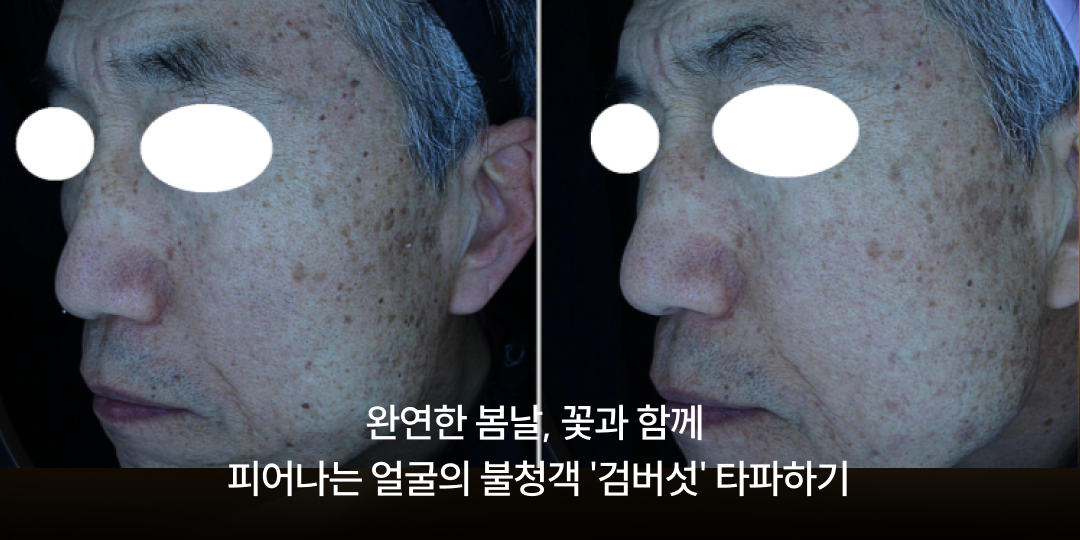
How the 532nm Reepot laser with contact cooling treats solar lentigines, what to check before treatment, and how to care for the area afterwards.
Monopolar RF reaches the dermis without damaging the epidermis. How Thermage FLX works, the face and eye tips, and aftercare.
PDLLA with hyaluronic acid prompts the skin to make its own collagen. Product types, injection depth and the three rules that prevent nodules.
Melasma involves the skin barrier, basement membrane, dermis and vessels — not pigment alone. Why session counts alone cannot define a treatment course.
A double chin is not only fat. How submental fat and loss of firmness each contribute, and where 2.45GHz microwave treatment fits.
Microneedle RF delivers energy to the dermis while sparing the epidermis. How the different tips address pores, scars, fine lines and redness.
Blocking acetylcholine release reduces excessive trapezius contraction and bulk — the aesthetic and functional mechanisms, dosing and aftercare.
Not the volume injected but design matched to your lip structure and facial proportion — on the Cupid's bow, vermillion border and how long it lasts.
DeepSEE™ imaging now reaches 8mm rather than 4.5mm, allowing energy to be placed while seeing the skin's structure directly.
PN with hyaluronic acid and lidocaine — approved for fine lines at the outer eye, with 53% less reported treatment pain than the classic version.
How ECM decline drives skin ageing, and how a skin booster based on acellular human dermal matrix (hADM) differs from HA, PN and PLLA boosters.
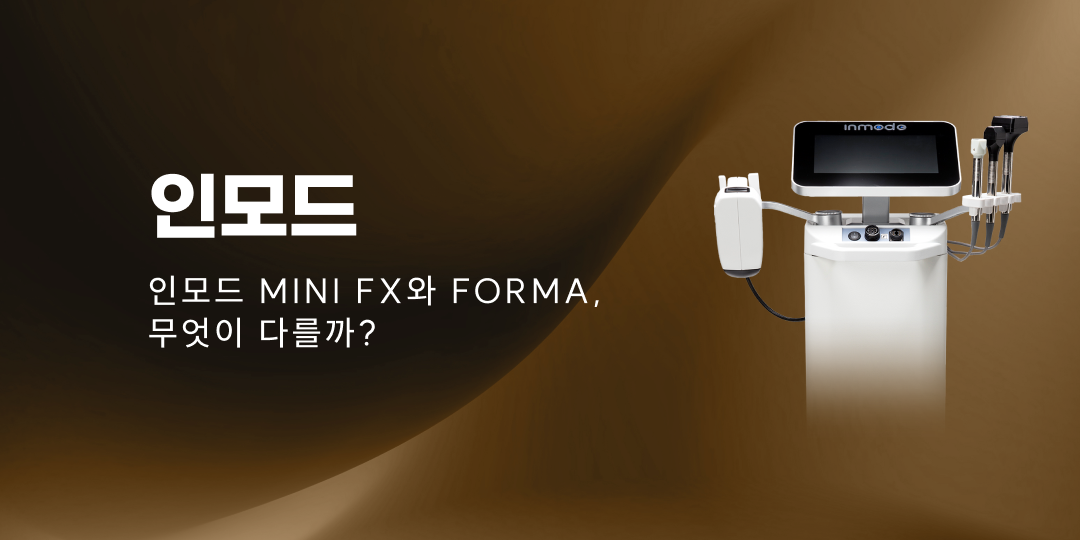
Both use bipolar RF, but MINI FX addresses fat with vacuum and high-voltage pulses while FORMA tightens the skin — and when not to combine them.
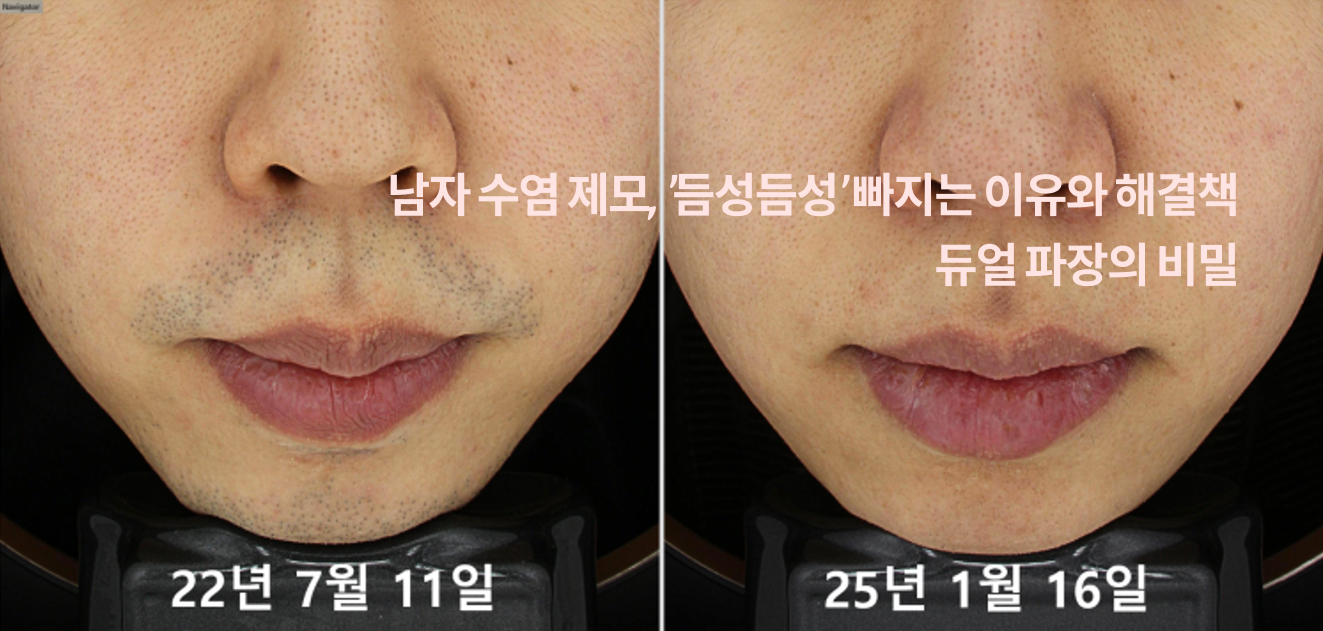
Why beard shadow and folliculitis recur, how selective photothermolysis works, and why men need more sessions than women.
Pores widen with declining collagen and elastin, not sebum alone. Needle RF remodels the dermis — with published clinical evidence.
Oligio delivers RF heat to the dermis to remodel collagen. Why individual design matters, and how cooling gas and vibration control discomfort.
Why appropriate discomfort signals effective energy, why long sedation raises risk, and how nerve block sits between topical and sedation.
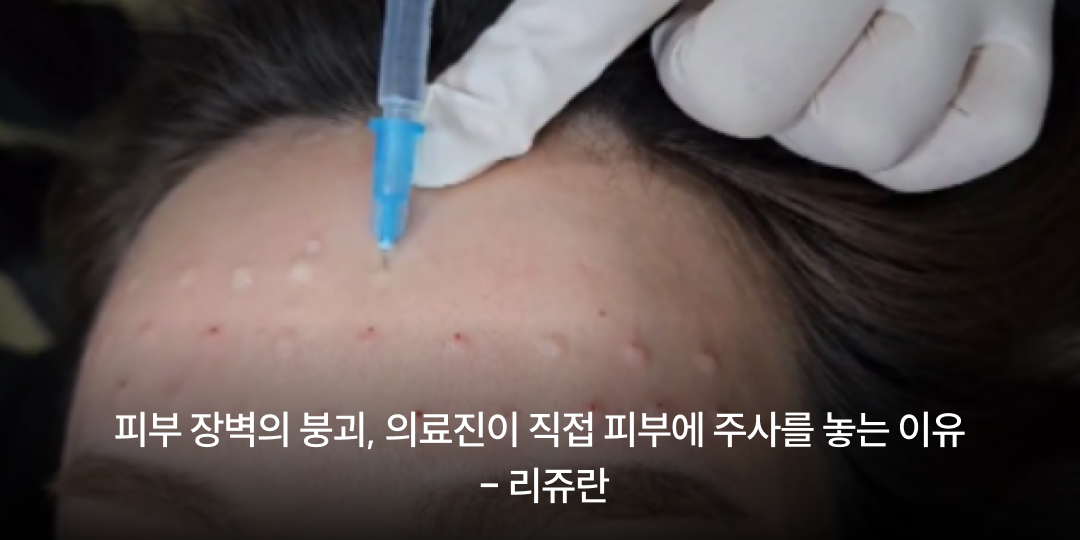
Three Rejuran products compared in clinical use, plus hydrating injections, and why the medical team treats each other quarterly.
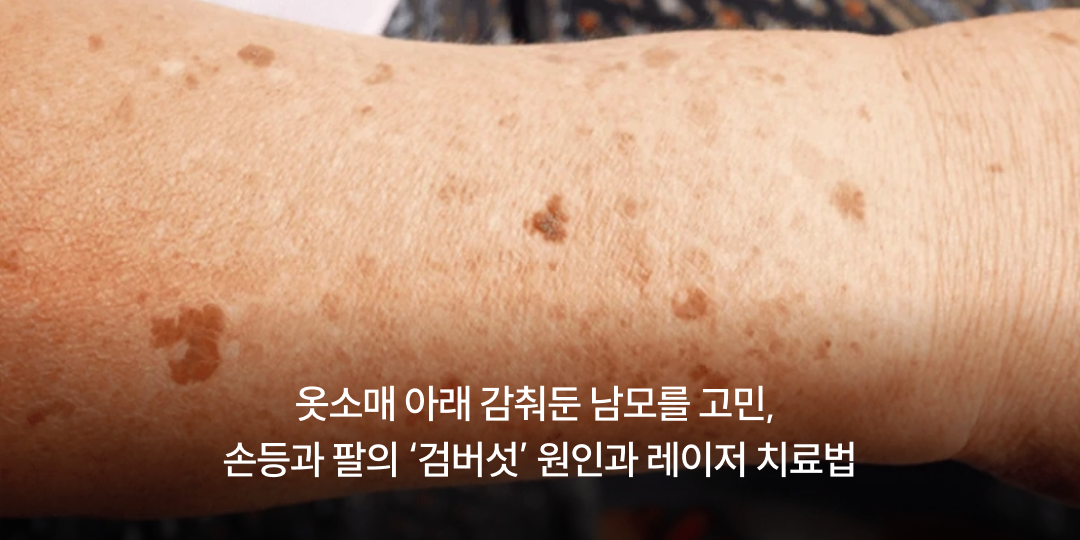
Sun exposure and genetics drive age spots on the hands and arms. Clarity II for thin lesions, CO2 for raised ones — and why recovery is slower here.
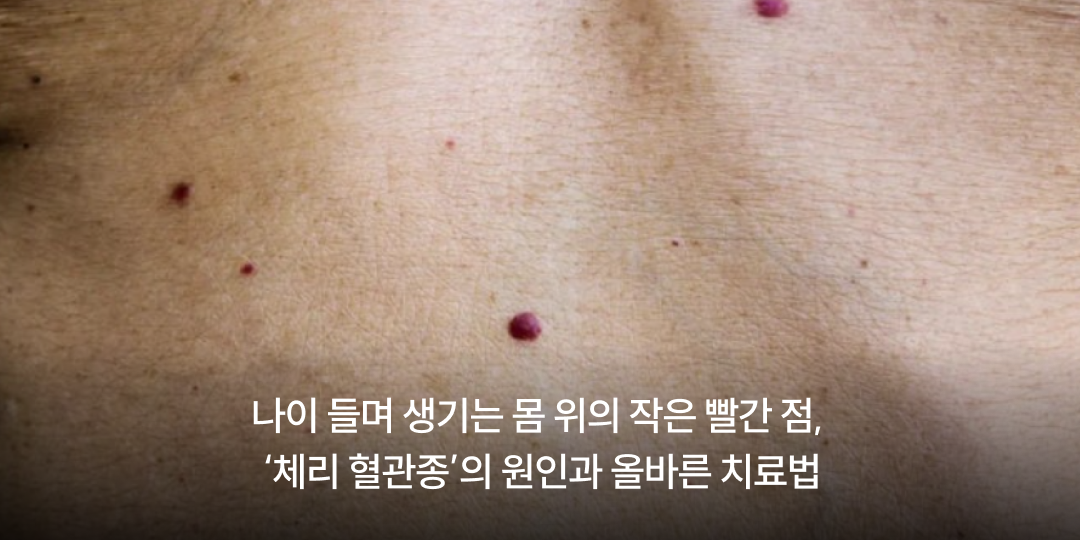
Cherry angiomas are benign proliferations of capillaries. Long-pulse laser clears each one in about a second, with no dressing needed.
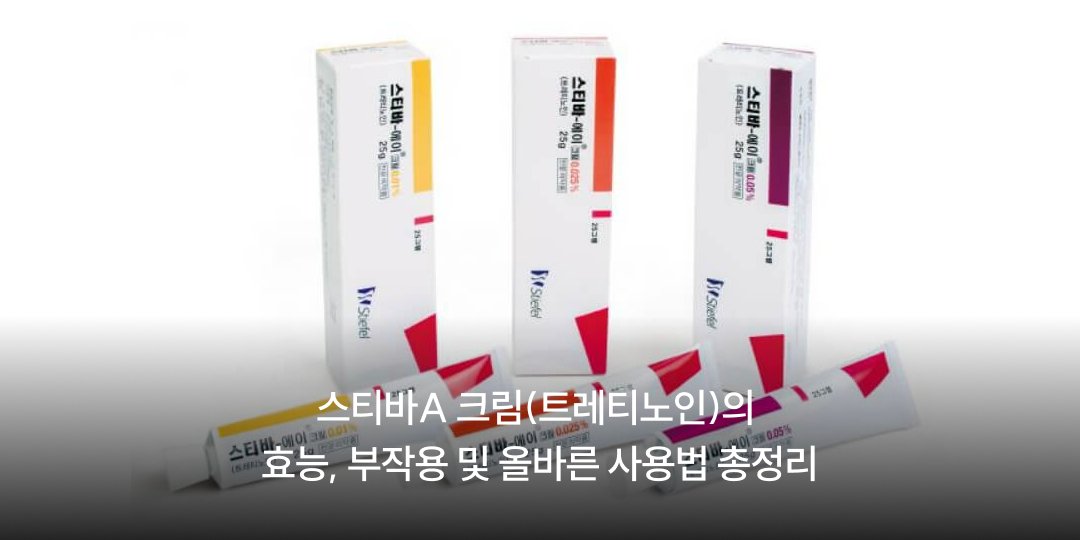
Tretinoin accelerates skin turnover for acne and fine lines, but it is photosensitive — apply only at night and cleanse thoroughly in the morning.
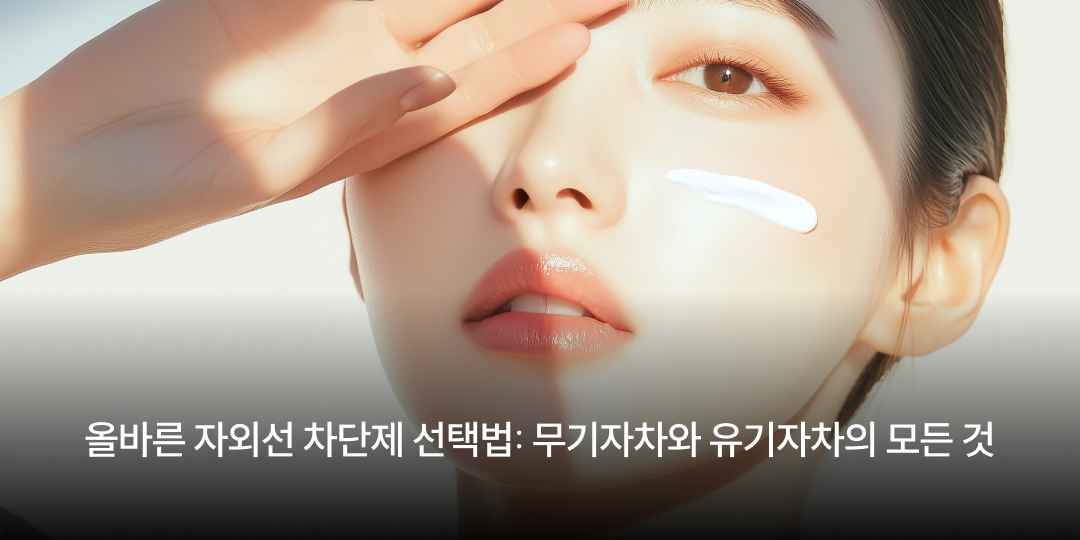
Why a dermatologist with sensitive skin uses only mineral sunscreen, which chemical filters cause stinging, and what SPF and PA actually mean.
Four chemical exfoliants compared: water-soluble AHA and PHA, oil-soluble BHA and LHA, and which skin types each suits.
The toxin does not run down into the eye. With age the frontalis compensates for a weak levator — botox removes that compensation.
Microwave energy at 2.45GHz breaks down fat cells while contact cooling protects the surface — for cellulite, localised fat and loose skin.
300 shots spread across the whole face underperform; concentrated on one area they can beat a diffuse 600. On vectoring, overlapping and AccuREP.
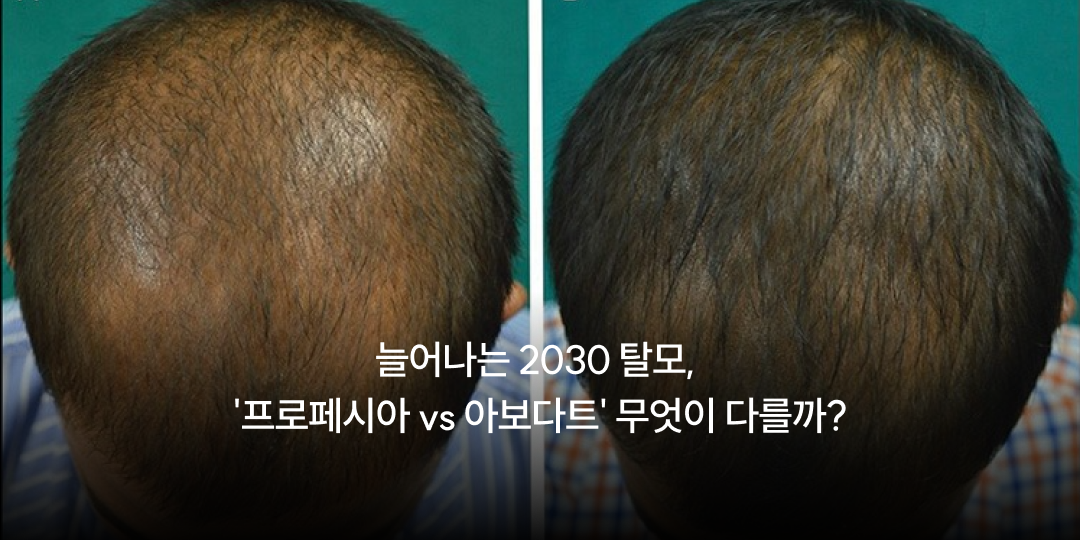
A 2022 JAMA Dermatology ranking of hair loss drugs, what the evidence says about sexual side effects, and options for women.
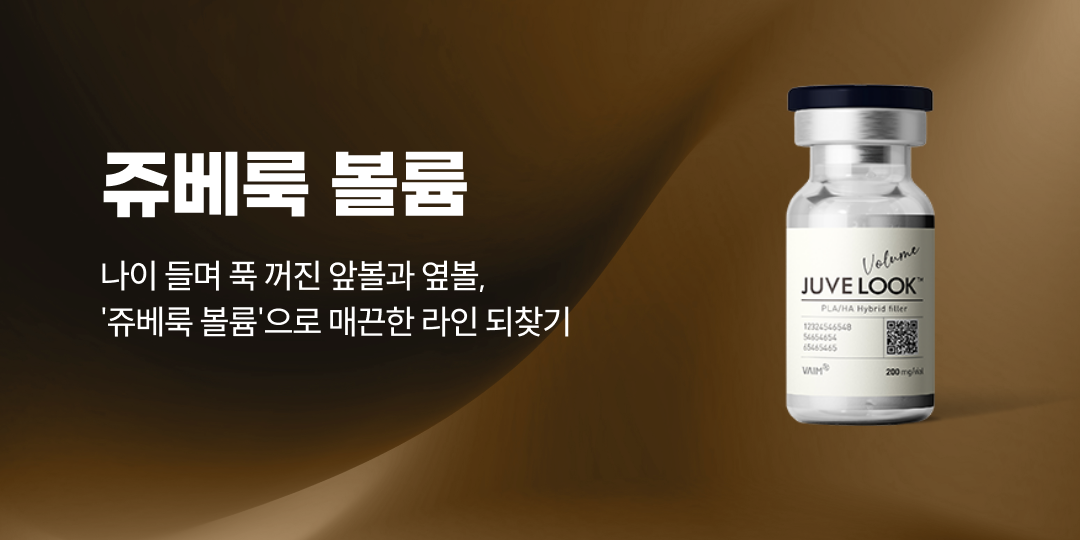
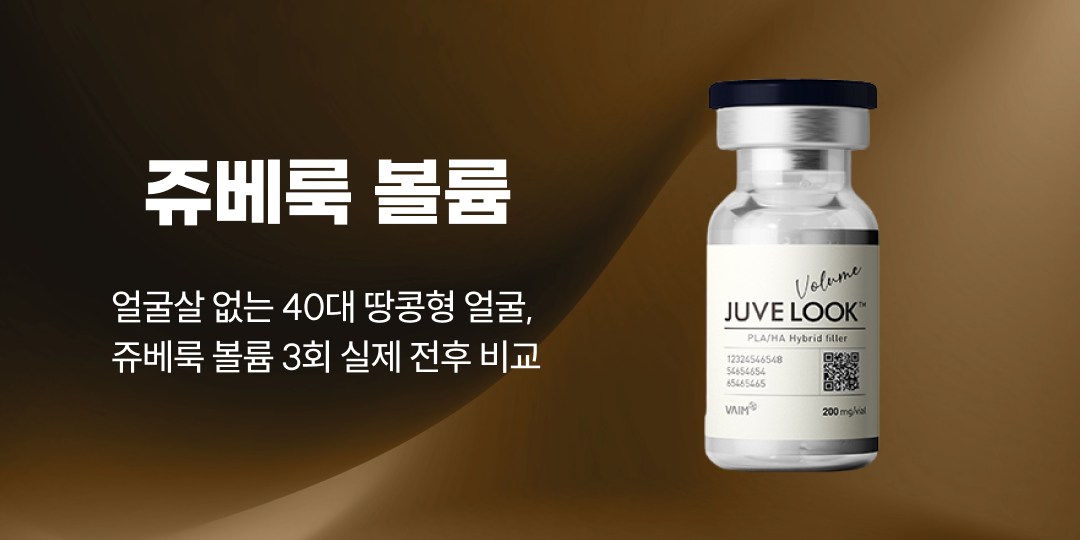
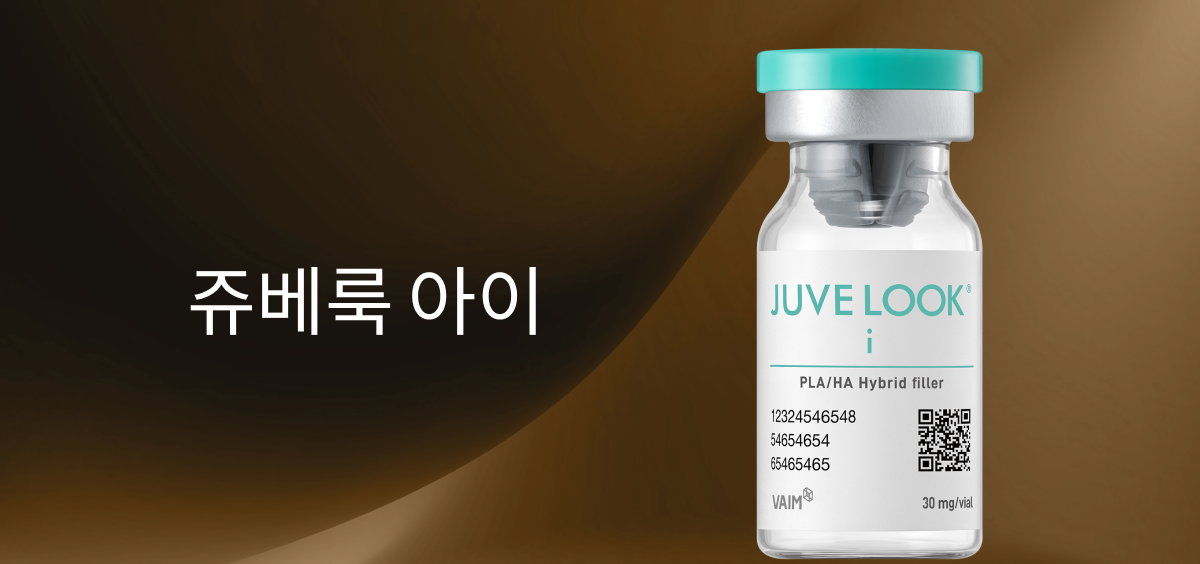
A case in a patient's fifties — three sessions of Juvelook Volume filling hollowed front and side cheeks, and why lifting should accompany it.
Paradoxical masseteric bulging explained — the deep and superficial masseter, the tendon between them, and why the retouch is simple.
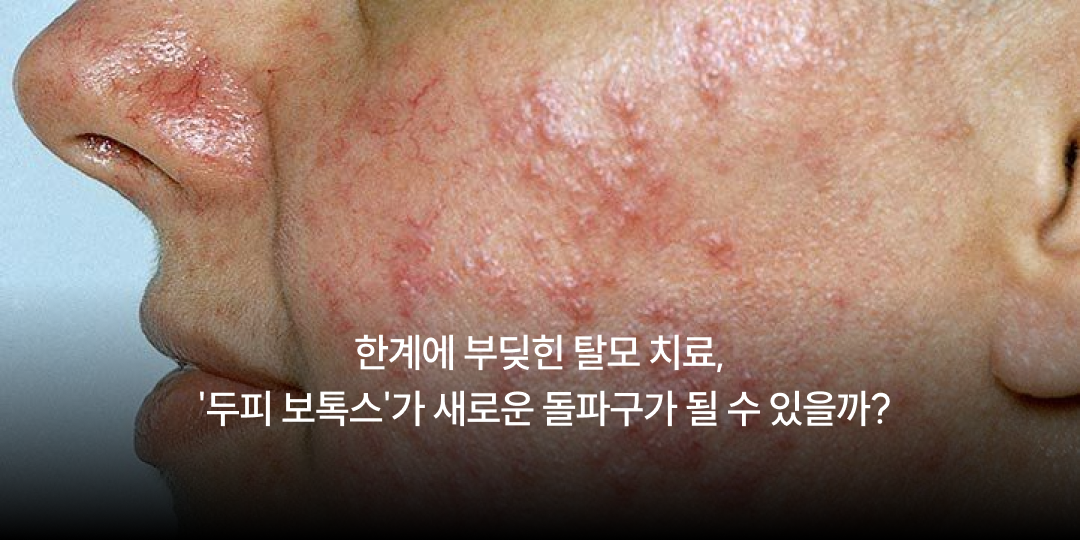
Three clinical patterns of rosacea, why leaving it untreated leads to permanent telangiectasia, and the skincare rules that matter.
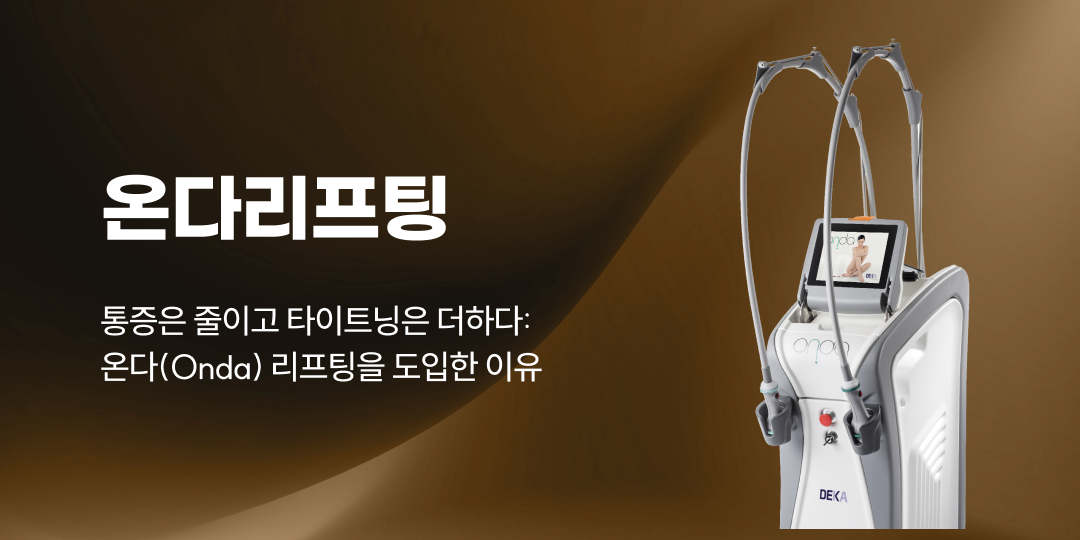
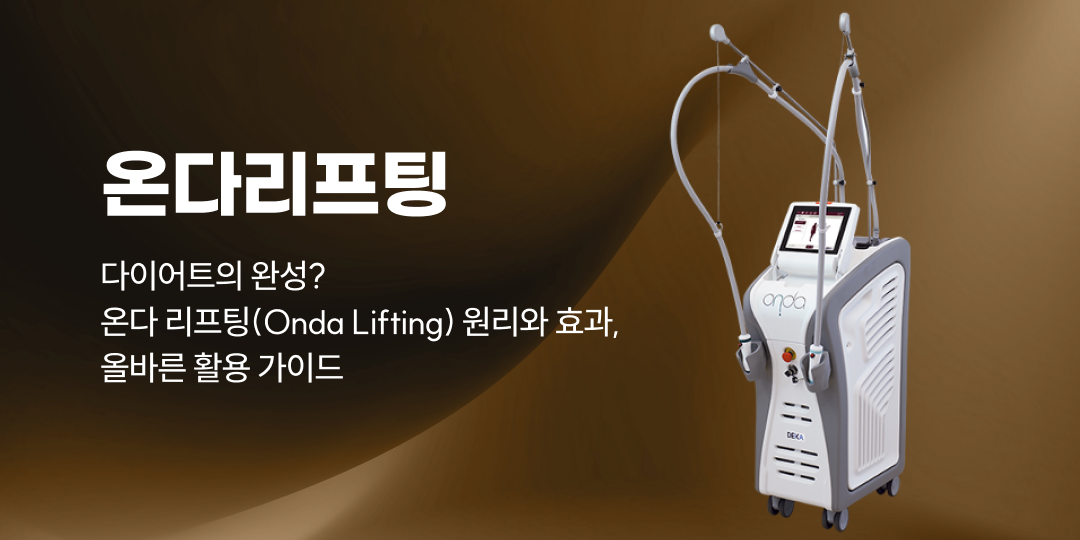
ONDA uses microwave energy with Coolwave cooling. Two handpieces address deep fat and surface tightening, with far less pain than HIFU or RF.
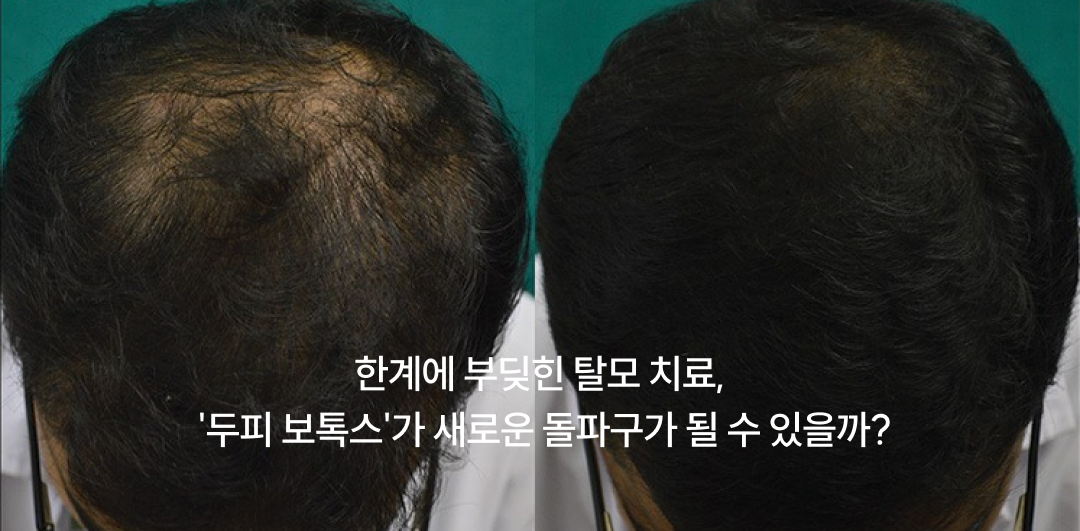
Two mechanisms — improved blood flow and suppression of TGF-beta1 — plus six months of in-house observation on sebum, headaches and hair strength.
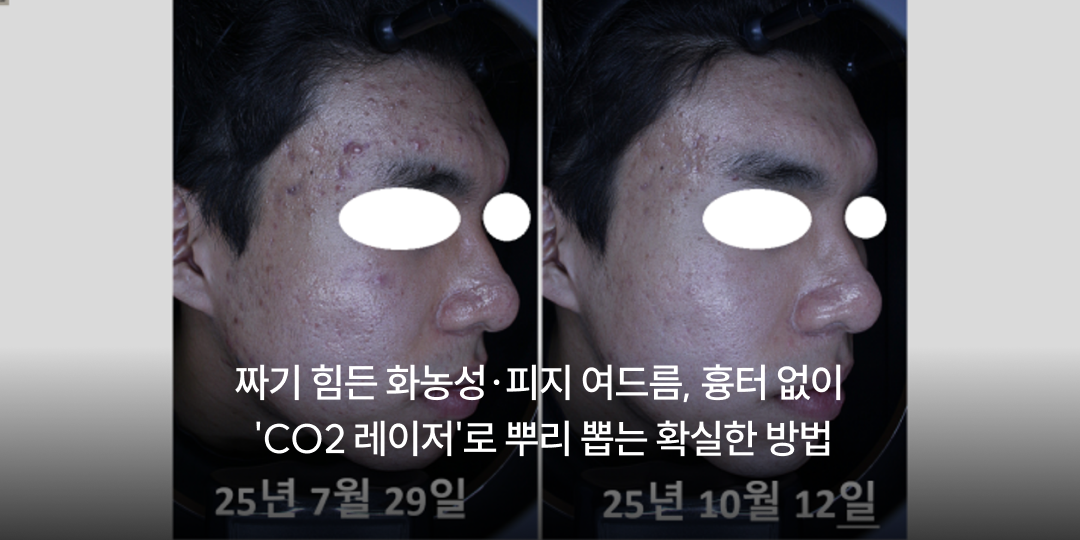
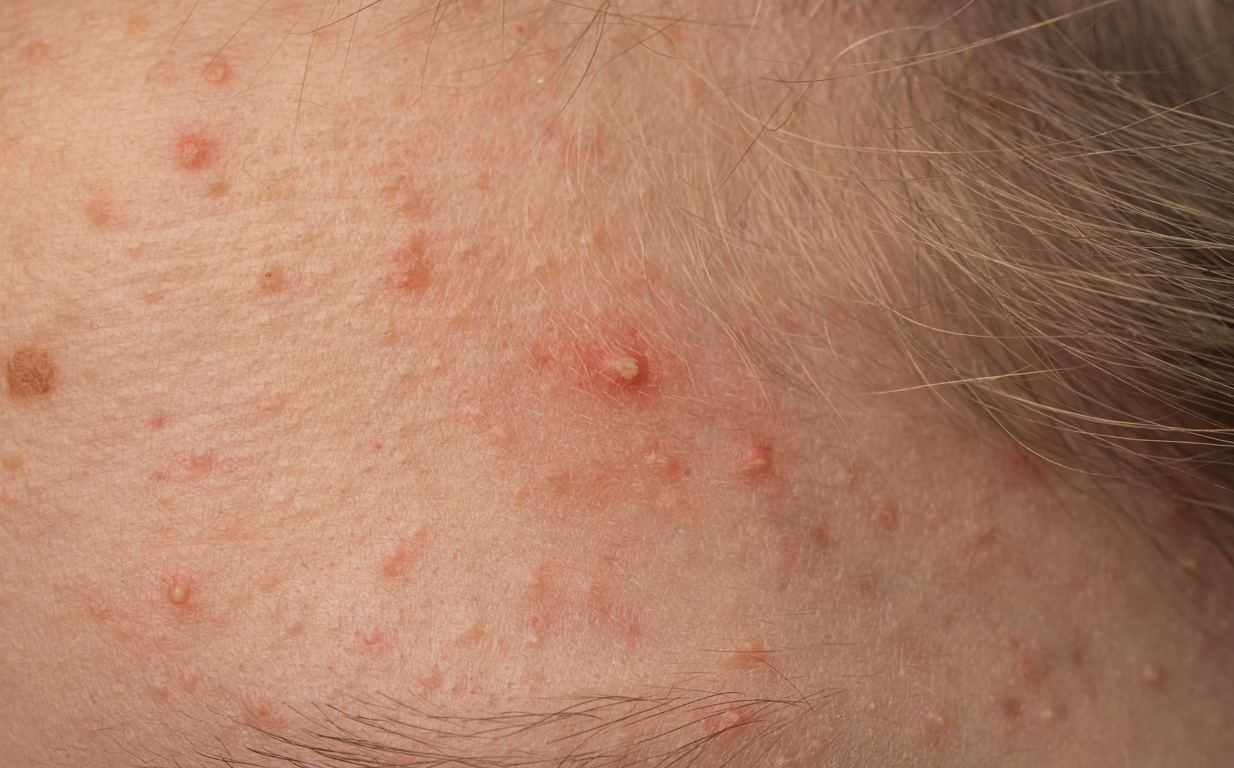
Why porphyrin signals trouble, the limits of needle extraction, and how CO2 laser extraction plus dual lasers clear deep acne without scarring.
ONDA is a contouring device, not a weight-loss treatment. How microwave energy targets fat, and why it belongs at the finishing stage.
Why Thermage FLX results take three months, why we advise against sedation, who it suits, and the reasoning behind a yearly interval.
Instead of filler, Juvelook Volume induces your own collagen. The four treatment stages, the self-massage that prevents nodules, and real cases.
Airnox uses medical nitrous oxide and oxygen for conscious sedation, lowering pain sensitivity during Rejuran and skin botox without sleep.
Nodules are the main risk with powder-type collagen boosters. Hydrating at least 24 hours ahead, layer-specific technique and area limits prevent them.
Age spots are seborrheic keratosis, driven mainly by UV exposure. On CO2 laser removal, hydrocolloid aftercare and prevention.
Tamoxifen is a SERM — it blocks estrogen in some tissues but acts like it in skin. Why melasma follows, and how treatment differs.
Dynamic versus static wrinkles, why botulinum toxin stops rather than erases, and the mid-to-late thirties as the moment to begin.
PDRN and PN both come from salmon DNA, but PN molecules are 2–2.5 times longer. Why that means more pain, and what to know before treatment.
Beard hair is thick with deep follicles. Combining 755nm and 1064nm reaches both shallow and deep follicles, reducing patchy results.
Why we do not offer sedation for Thermage, why energy level should not be compromised, and how thorough nerve block makes it bearable.
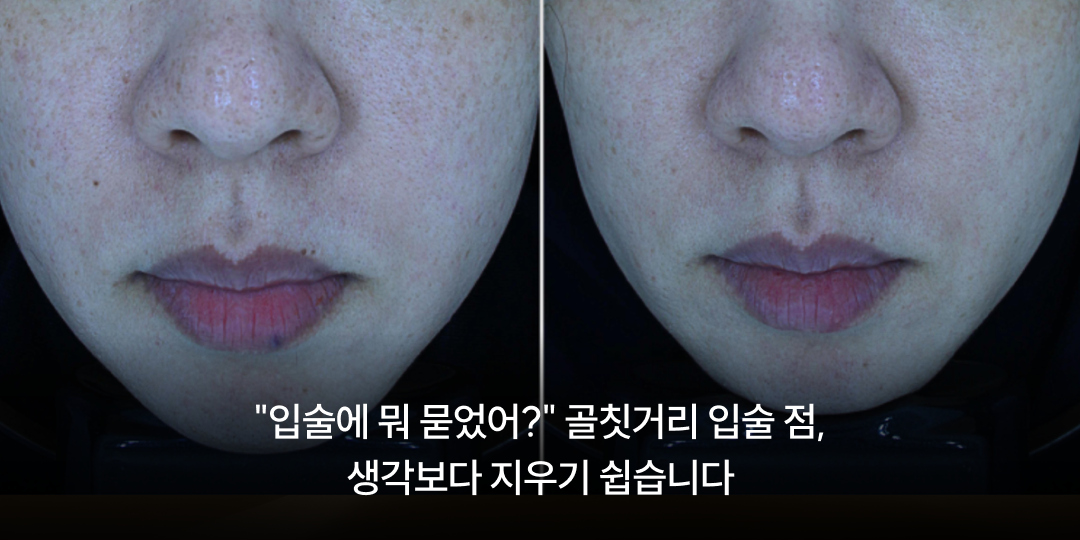
Pigment on the lips — moles, venous lakes and freckles — is often easier to treat than facial pigment. On Clarity 2, CO2 laser and aftercare.
The difference between PDRN and PN, why Rejuran hurts, and how Rejuran HB and the Eye line change the choice.
Deoxycholic acid destroys fat cells irreversibly. On how DCA differs from conventional contour injections, design around the marginal mandibular nerve, and recovery.
Thermage delivers 30–60kJ into the dermis with AccuREP control. Who it suits, who it doesn't, and why the doctor's design decides the result.
Male skin is around 25% thicker with denser collagen. Why HIFU reaching the SMAS layer suits it, and why custom design prevents hollowing.
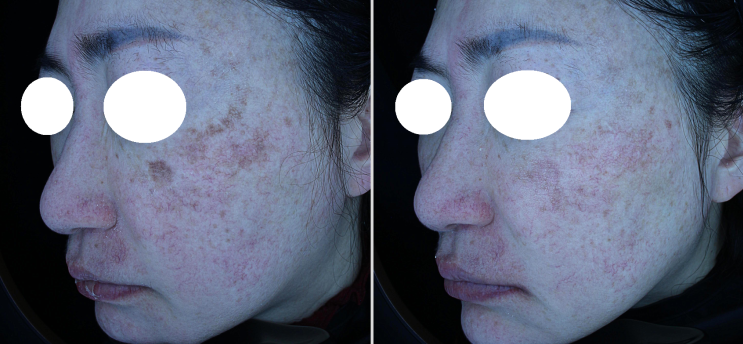
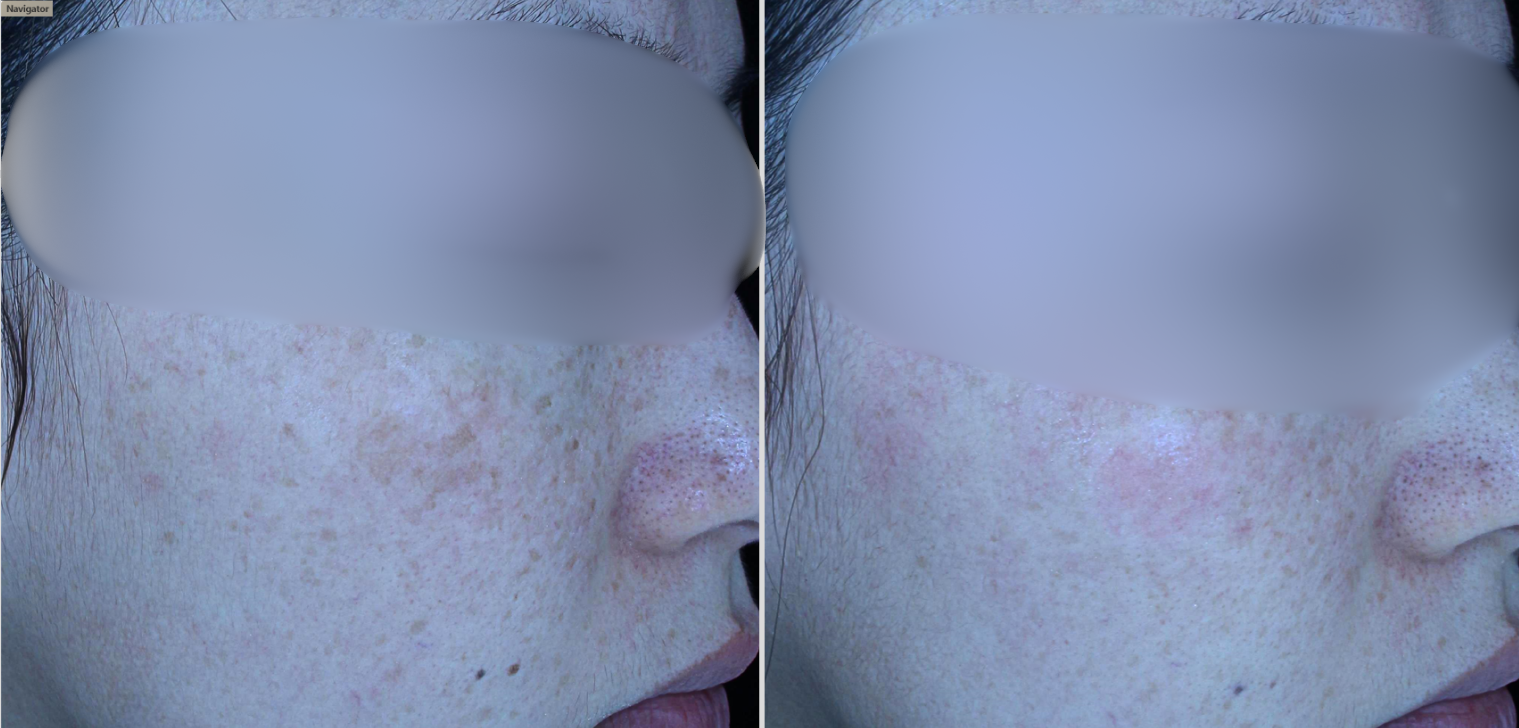
Stubborn melasma is not solved by a season or a single laser. On vascular causes, tranexamic acid, Sylfirm and realistic goals.
A doctor who struggled with acne himself on the 1450nm Accu laser, combined acne routines and why acne care is a marathon.
Ultherapy Prime targets the deep SMAS layer; Thermage FLX works on the dermis. How the two differ and why they complement each other.
Pulsed-wave needle RF targeting the papillary dermis, why it differs from continuous-wave devices, and how it combines with pigment lasers.
Skin around the eyes is about a third as thick and blinks over 10,000 times a day. How a collagen booster designed for that area works, and the aftercare.
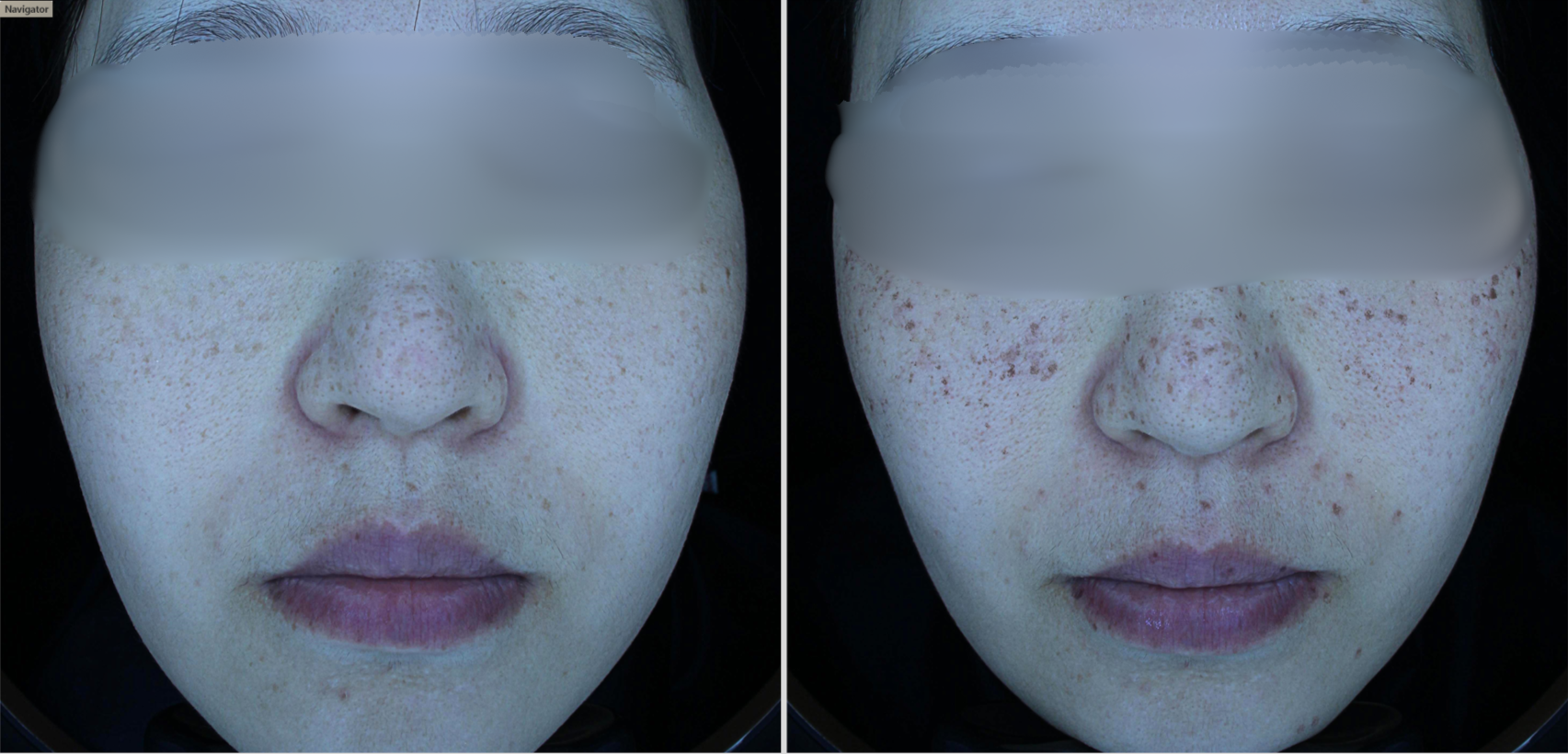
Freckles sit mainly in the epidermis. The nBOM Lentigo Package combines IPL, pico laser and Clarity2, set to the skin condition.
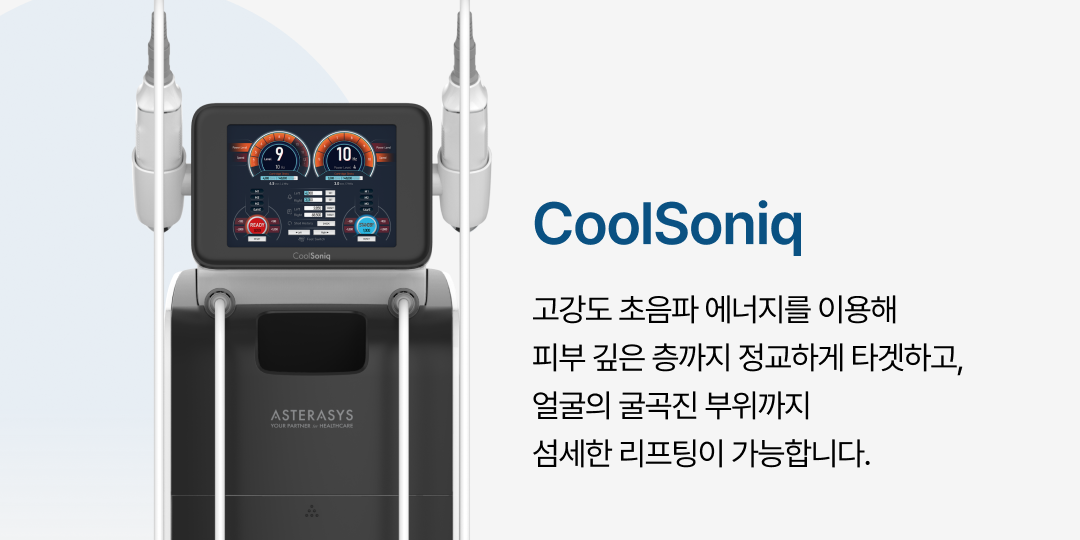
Coolsoniq combines HIFU with a cooling system so the skin surface stays cool while lifting energy reaches the SMAS layer.